


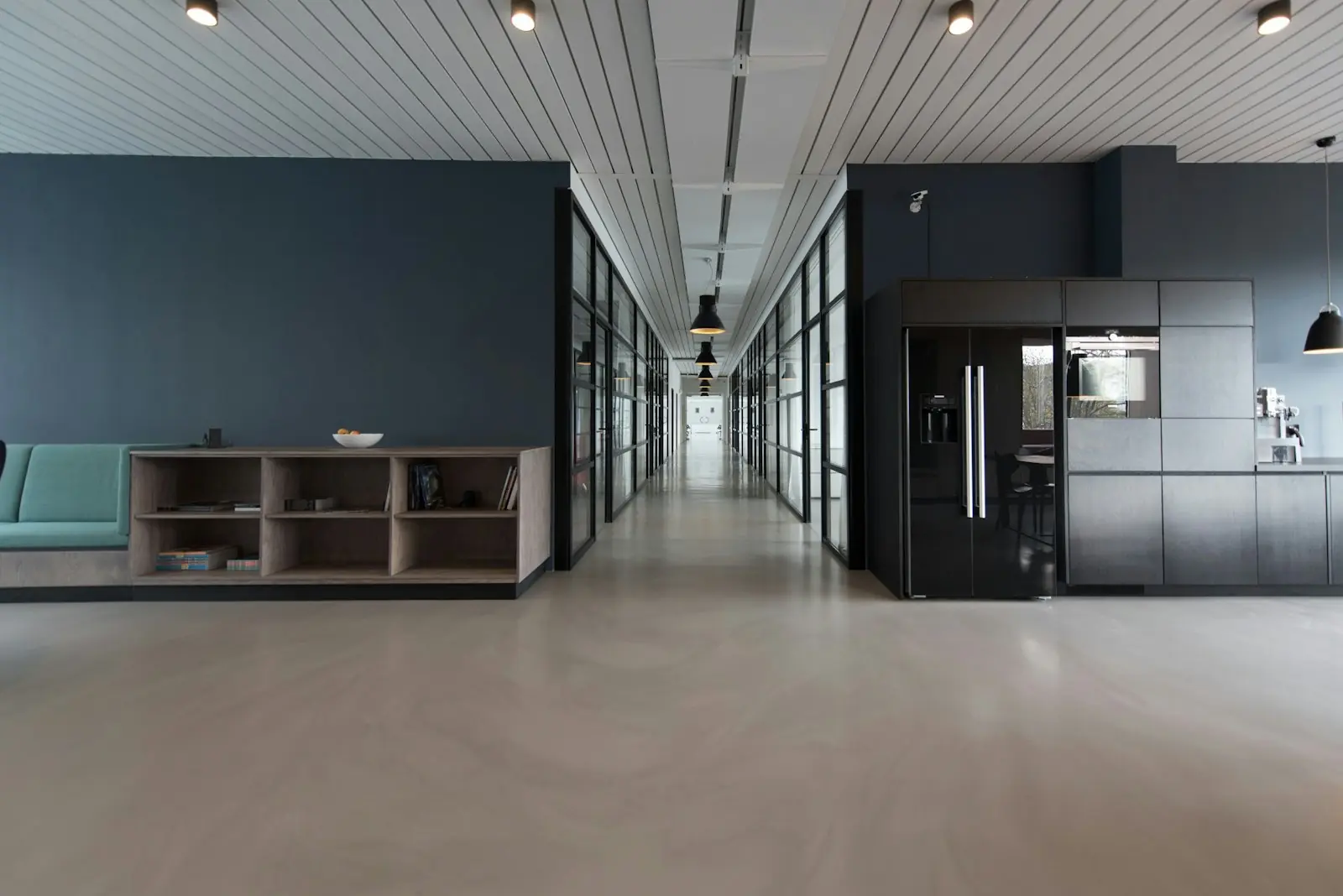
Vinyl Wrapping Services in Dubai for Kitchens, Doors, Wardrobes and Furniture
Architectural vinyl film gives cabinets, doors, wardrobes, desks and lift doors a new wood, marble, concrete or solid colour finish in a day or two, with no paint smell and no demolition. This page helps you decide what to wrap, which finish to choose and where film is not the right answer.
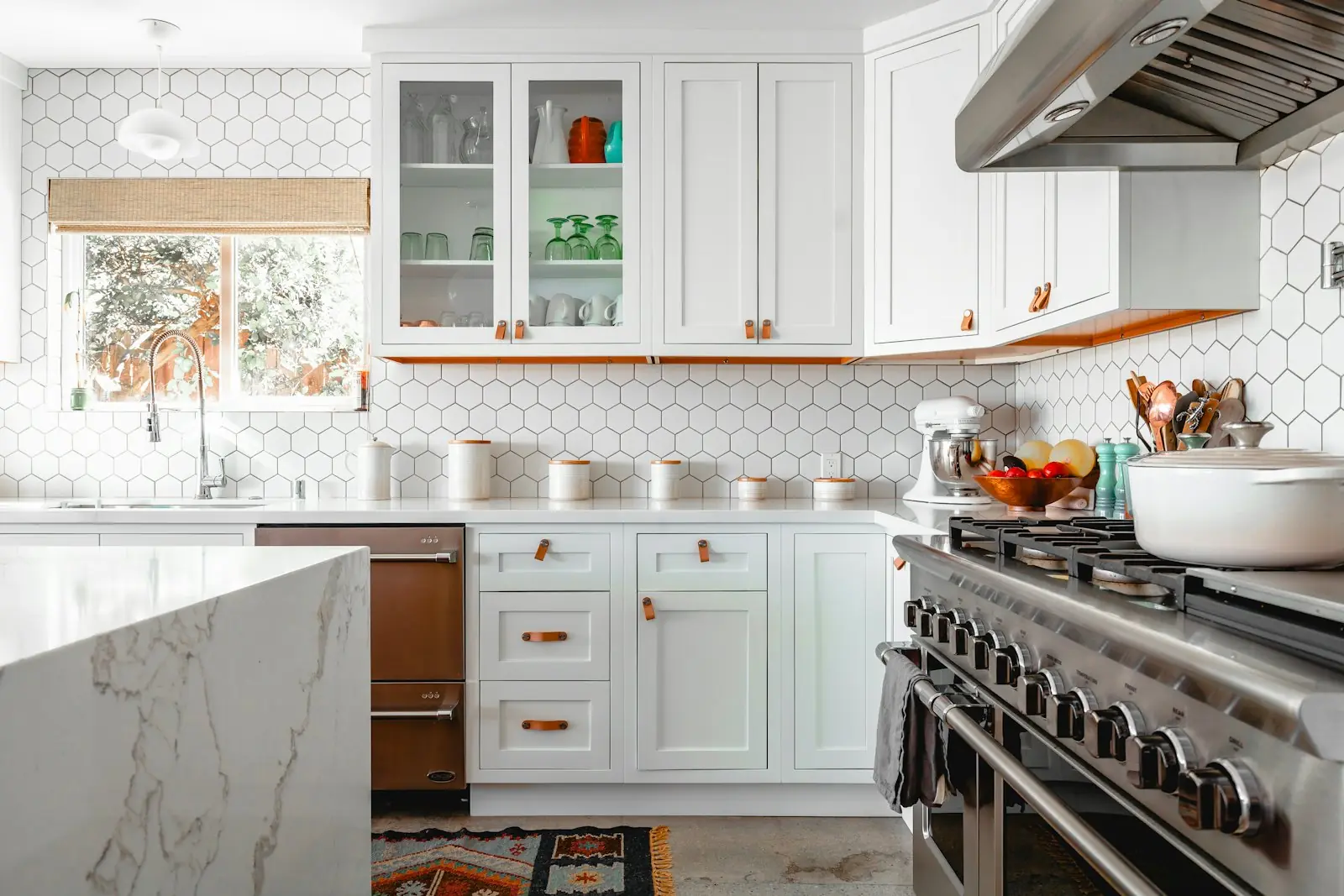
What Architectural Vinyl Wrap Actually Is
Architectural wrap is a thin, flexible PVC film with a printed or textured surface and a pressure-sensitive adhesive on the back. Good interior films have tiny air-release channels in the adhesive, so installers can push air out instead of trapping bubbles, and a surface that is embossed to feel like real wood grain, stone or concrete.
It is not the same as decorative contact paper or car wrap. Interior architectural film is made to stay on vertical and horizontal surfaces for years, resist everyday cleaning and wrap around edges and profiles when warmed. What makes it last is the preparation underneath and the way the edges are finished, not the film alone.
Which Wrapping Service Do You Need?
Each service has its own page with the process, finishes, timing and care for that item.
Kitchen Wrapping
Cabinet doors, carcasses, countertops and appliances.
See detailsDoor Wrapping
Interior doors, frames and entrance doors.
See detailsWardrobe Wrapping
Built-in and sliding wardrobes in bedrooms.
See detailsFurniture and Office Wrapping
Desks, counters, tables and reception units.
See detailsLift Door Wrapping
Landing doors and lift car interiors.
See detailsFrosted Glass Film
Privacy and decorative film for glass.
See detailsRoom by Room: What Can Be Wrapped
Film needs a smooth, sound, dry surface. Most problems come from wrapping something that should have been repaired first.
| Room | Good Candidates | Usually Better Left Unwrapped |
|---|---|---|
| Kitchen | Cabinet doors, side panels, plinths, fridge fronts | Panels right beside the oven or hob, worn sink cabinet bases |
| Bedrooms | Wardrobe doors, bedside units, headboards | Wardrobe doors that are warped or delaminated |
| Living and dining | TV units, sideboards, doors, wall panels | Dining table tops that see hot dishes daily |
| Bathrooms | Vanity doors in well-ventilated rooms | Shower areas and surfaces that stay wet |
| Hallways and entrances | Internal doors, frames, shoe cabinets | Main doors in direct afternoon sun |
| Offices and shops | Desks, counters, lift doors, glass partitions | Heavily chipped edges and surfaces under hot lights |
Finish Families and Where They Work Best
Wood Grain
Oak, walnut and ash. Warm and forgiving with fingerprints. The most popular choice for doors.
Stone and Marble
White marble and grey stone looks for kitchens, vanities and reception counters.
Concrete and Metal
Industrial textures for offices, cafes and modern kitchens.
Solid Matt
Soft, modern colours. Shows oily fingerprints more on handles and edges.
High Gloss
Reflects light in small rooms, but shows dust and scratches faster.
Fabric and Leather Textures
Specialist looks for headboards, wall panels and hospitality furniture.
Matching One Finish Across Several Rooms
A popular project in Dubai villas and apartments is wrapping the kitchen, internal doors and wardrobes in one go, so the whole home reads as one design. The detail that decides whether this works is the film itself: the same finish code from different production batches can vary slightly in tone, and that difference shows when two wrapped surfaces sit side by side.
For whole-home projects we order the film for all rooms together, check the batch before starting, and install the most visible surfaces, such as the kitchen and the doors seen from the entrance, from the same rolls. We also keep a note of the finish code so later repairs match.
Wrap the Whole Home at Once or Room by Room?
All in One Project
Best for a consistent look.
- Film ordered together, so tones match
- One schedule and one disruption
- Easier to plan around a move-in date
- Often more cost-effective per square metre
Room by Room
Best for spreading the cost.
- Start with the room that bothers you most
- Live with the finish before committing further
- Keep the finish code for the next room
- Accept a small risk of batch variation
Dubai Heat, Sun and Humidity: The Limits of Film
Vinyl film softens with heat. Strong afternoon sun through a west-facing window, the side panel next to an oven, or a lift landing door beside a hot lobby glass wall can all push film beyond what its adhesive is designed for, and edges start to lift. Constant humidity, such as in a poorly ventilated bathroom, has the same effect over time.
That is why we check sun exposure, heat sources and ventilation before quoting, and sometimes recommend heat-resistant edge protection, a different finish, or painting instead of wrapping for a particular surface. Interior architectural film is designed for indoor use, so outdoor gates, garden furniture and exterior doors in direct sun are normally better painted.
How to Judge a Good Wrap Installation
Use this as a checklist when you compare quotes or inspect finished work, whoever installs it.
Edges Wrapped Round
Film turned over edges and finished behind, not cut flush where it can peel.
Corners Without Lifting
Relief cuts and heat at corners so the film sits flat.
No Bubbles or Dust
A smooth surface with no trapped dust or air under the film.
Grain Running the Same Way
Wood grain aligned on every door and panel.
Hardware Refitted Neatly
Handles and hinges removed and refitted, not wrapped around.
Post-Heated Edges
Edges warmed after fitting to lock the film's memory.
From First Message to Finished Wrap
- Step 1
Photos and Measurements
Send photos. We visit to measure and check surfaces, heat and sun.
- Step 2
Choose Finishes From Samples
Physical sample books, held against your floor, walls and light.
- Step 3
Written Quotation
Surfaces, film finish codes, repairs and timing in writing.
- Step 4
Preparation
Cleaning, degreasing, filling chips and priming where the surface needs it.
- Step 5
Installation
Hardware off, film applied, edges wrapped and heated, hardware back on.
- Step 6
Handover
Walk-through, care advice and the finish codes for your records.
Renting? Wrap Can Usually Come Off Again
Because wrap does not soak into the surface like paint, it is popular with tenants and landlords. On sound, factory-finished surfaces such as laminate and lacquer, good film can usually be removed later with gentle heat, and any adhesive residue cleaned off.
Removal is not guaranteed on every surface: on old, flaking paint or damaged laminate the film can pull the weak layer away with it. If you rent, get the landlord's written agreement first, and tell us so we can check the surfaces with removal in mind.
How Long Wraps Typically Last
Ranges depend on the film, the preparation and how the surface is used. Edges are always where wear starts.
| Surface | Typical Lifespan | What Shortens It |
|---|---|---|
| Wardrobe and bedroom units | Many years | Very little; low wear and stable temperature |
| Internal doors | Several years | Knocks on edges, door stops missing |
| Kitchen cabinet doors | Several years | Heat and steam near the hob, harsh cleaners |
| Office desks and counters | A few years | Daily heavy use, sharp objects, hot drinks |
| Lift doors | A few years in busy buildings | Trolleys, luggage and cleaning machines |
What to Send Us for a Wrap Quote
- 1Photos of each surface, front-on and close up on edges
- 2Rough sizes, or the number of doors and drawers
- 3The finish you like, or photos of the look you want
- 4Which rooms get strong direct sun
- 5Whether you own or rent the property
- 6Your preferred dates and whether the home is occupied
Wrapping for Offices, Shops and Lifts
For businesses, wrapping is often less about looks and more about downtime. A reception counter, a run of office desks or a set of lift landing doors can be given a new finish overnight or across a weekend, with no paint smell for staff or visitors on Monday morning.
Commercial wraps take harder use than homes, so we choose thicker, more scratch-resistant films for counters and lift doors, protect exposed edges, and plan work with building management where lifts or common areas are involved. Brand colours can often be matched closely from the film range, and frosted or printed glass film adds privacy to meeting rooms at the same time.
Vinyl Wrapping FAQs
Related: kitchen wrapping and door wrapping.
Is Vinyl Wrapping Cheaper Than Replacing?
Usually much cheaper and faster, as long as the existing doors and panels are sound. Damaged or swollen surfaces may still need replacing.
Does Wrap Smell Like Paint?
No. There is no paint smell, which is why wrap suits occupied homes, offices and holiday lets.
Can Every Surface Be Wrapped?
No. Film needs a smooth, sound, dry surface away from strong heat. We tell you honestly where painting or repair is the better choice.
How Long Does a Wrapping Job Take?
Small jobs such as a few doors take a day. A full kitchen usually takes one to three days.
Can Wrap Be Used Outdoors?
Interior architectural film is designed for indoor use. Outdoor surfaces in Dubai sun are normally better painted.
Can You Match an Existing Wrapped Surface?
If you have the finish code, often yes. Without it, we compare sample books against the surface.